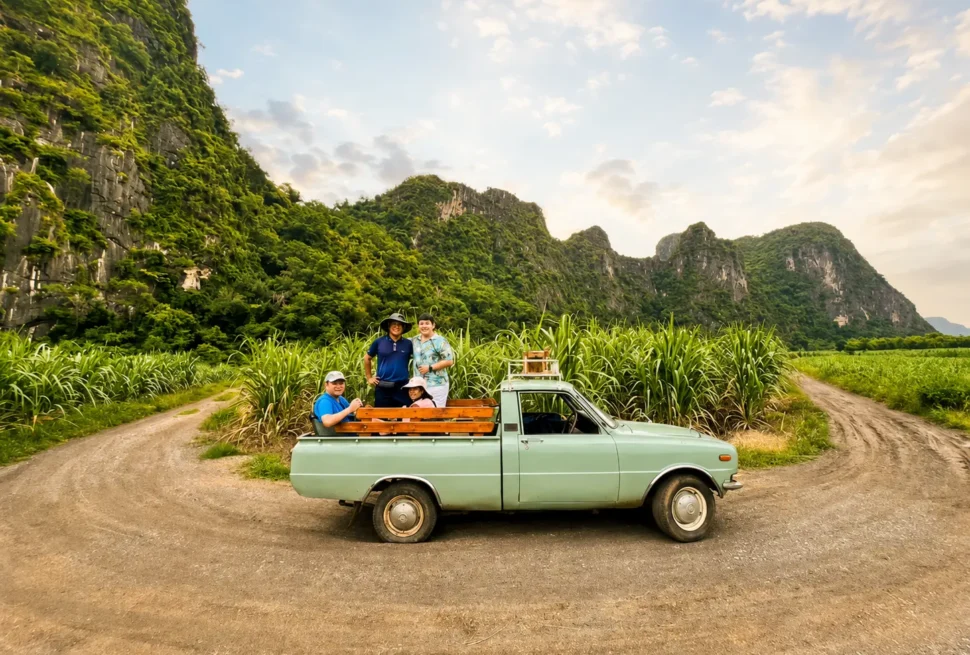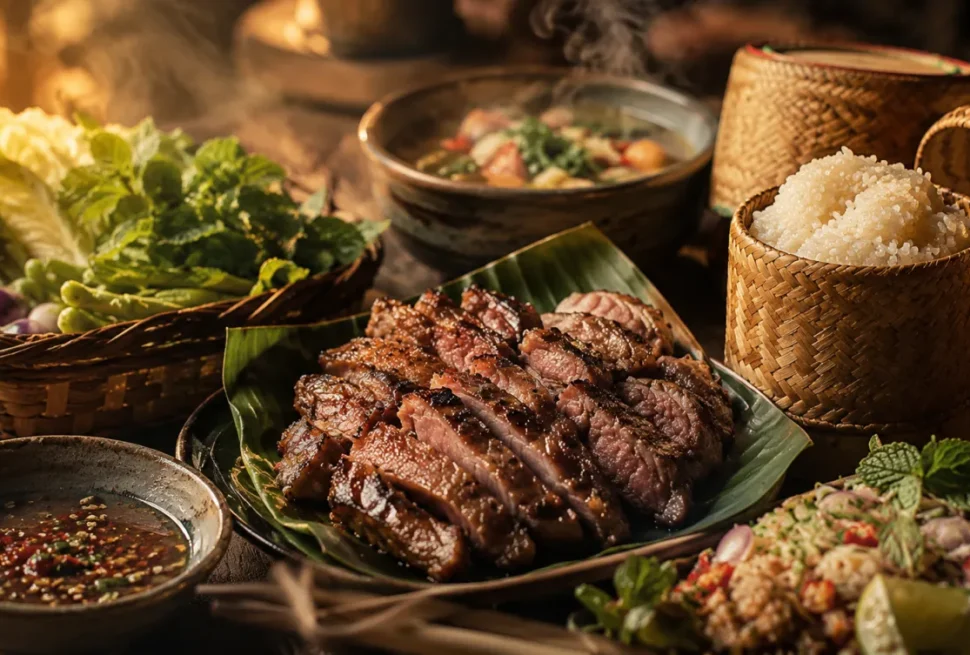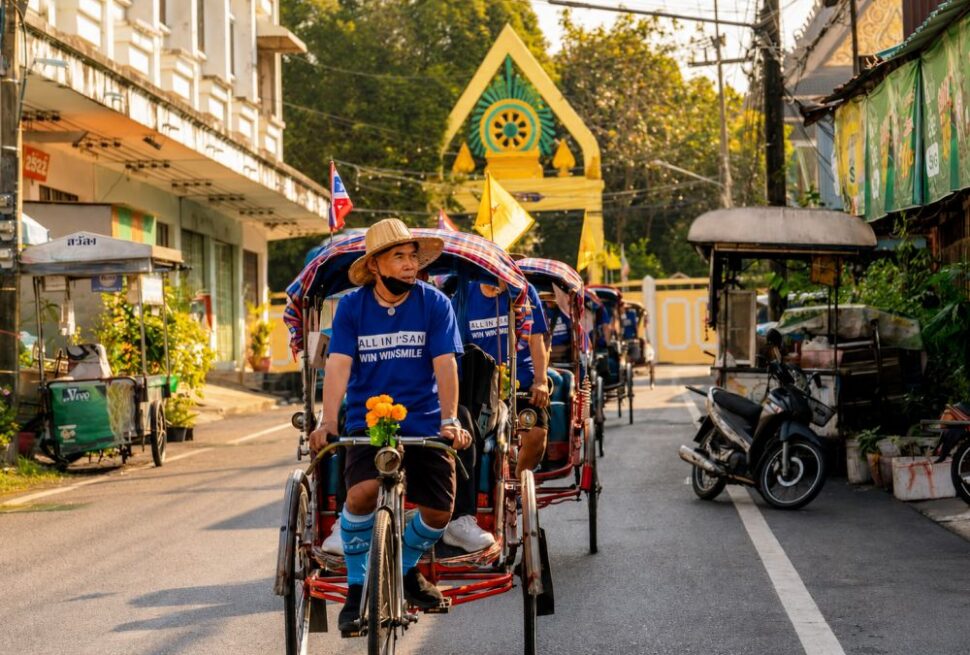
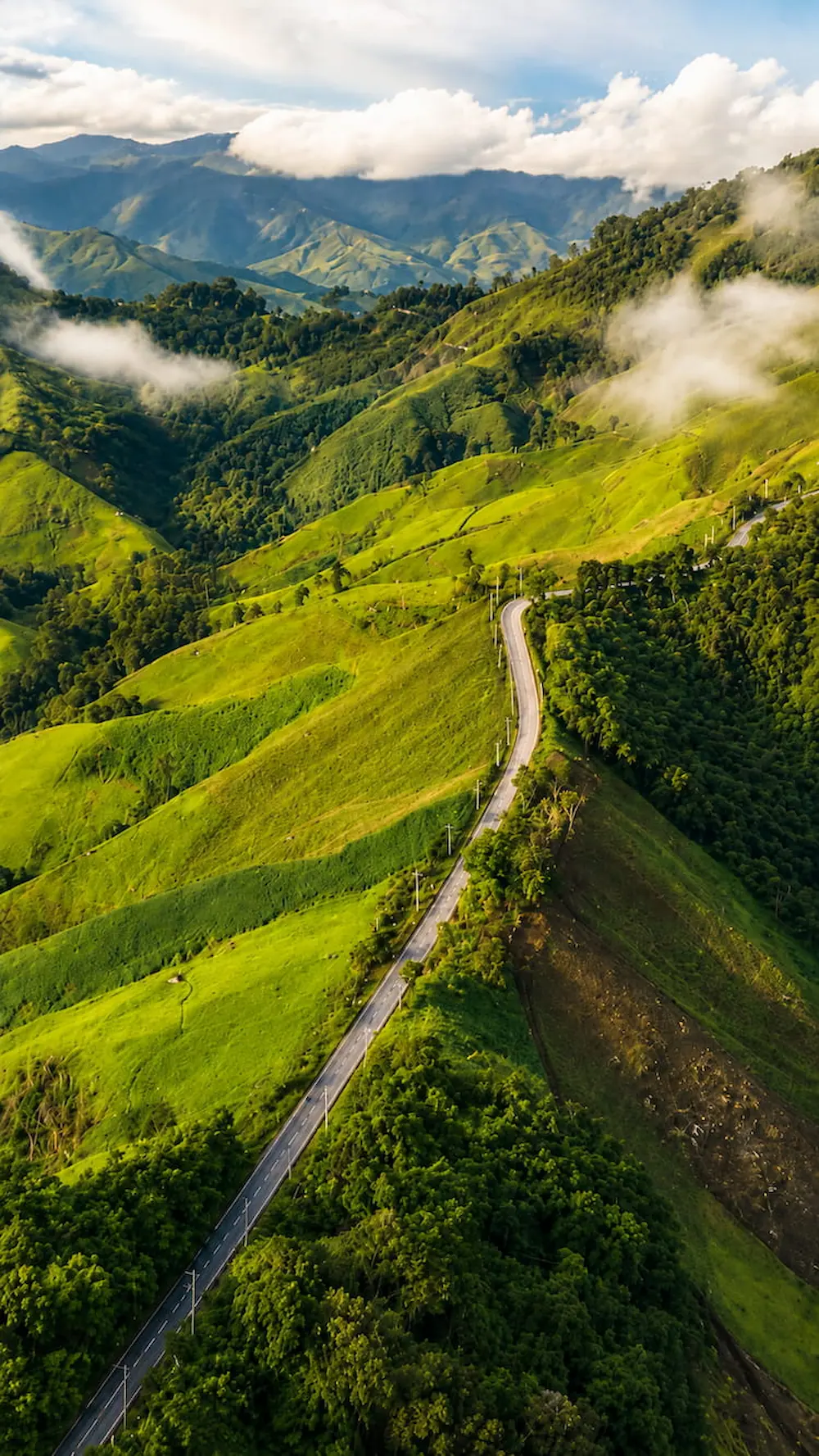
You have explored Bangkok, wandered through Chiang Mai, and relaxed beside the sea in Phuket. But where should you go next? From the mist-covered mountains of Nan to Chanthaburi’s fruit orchards and the peaceful Mekong provinces of Isan, Thailand still has many stories waiting to be discovered beyond its most familiar destinations.
Thailand Does Not End with Its Most Famous Destinations
Bangkok, Chiang Mai, and Phuket are often the first three names that travelers encounter when planning a journey through Thailand. Each offers something compelling: the energy and contrasts of Bangkok, the temples and northern culture of Chiang Mai, and the beaches and island life surrounding Phuket.
I understand why people visit them. They are popular for good reason.
But after traveling throughout Thailand and to more than 50 countries, I have learned that the places that remain with me are not always the most famous. They are often the places where I arrive with fewer expectations and have more time to notice what is around me.
Even as a Thai person, my own country continues to surprise me. Beyond the familiar travel routes, Thailand still holds forested mountains, fruit-growing provinces, ancient settlements, quiet riverside communities, and regions where local life has not been reorganized entirely around visitors.
If you have already seen Thailand’s best-known destinations, I would not suggest trying to find another version of them. I would invite you to discover a different Thailand altogether.
Nan: Green Mountains and Mornings Above the Clouds
Nan feels far removed from the pace of Thailand’s larger cities. Tucked into the mountains of the North, it is a province where the journey between places is part of the experience.
What stays with me most about Nan is its greenery.
During the rainy season, the landscape seems to come alive. Rice fields turn a vivid green, forested mountains disappear into low clouds, and the air feels cooler and fresher. As the road climbs towards areas such as Pua and Bo Kluea, the scenery becomes increasingly dramatic.
High in the mountains, the mornings can feel almost unreal. Fog floats above the trees and settles between the hills, creating the impression that you are waking above the clouds. Sometimes the view lasts long enough to enjoy slowly; on other mornings, it changes within minutes as the mist moves through the landscape.
This is part of Nan’s charm. Nature does not follow a fixed schedule.
The Tourism Authority of Thailand describes the province’s rainy-season landscape as a combination of green rice fields, mountain ranges and blankets of fog. I find the end of the rainy season especially appealing, when the countryside remains green, but the weather begins to feel gentler.
Nan is not only about mountain views. Its old town, temples, textiles, small communities, and northern food give the province cultural depth. Traveling towards Bo Kluea and the surrounding villages reveals a quieter rhythm of rural life, but the mountain roads require time and careful planning.
This is not a destination I would rush to. I would allow at least three or four days, travel with flexibility, and accept that rain or fog may occasionally change the plan. In Nan, an unexpected pause can become part of the experience.
Choose Nan if you love mountains, greenery, scenic drives, cool mornings, small communities, and slow travel.
Chanthaburi: Fruit, Forests, History and the Sea
Chanthaburi offers an entirely different experience.
Located in Eastern Thailand, the province brings together orchards, waterfalls, beaches, historic neighborhoods, gemstone trading, and a wonderfully varied food culture. It is one of those places that makes me wonder why more international travelers do not stop there.
If you visit during fruit season, come hungry.
Chanthaburi’s fertile landscape produces durian, mangosteen and many other tropical fruits. Visiting an orchard and tasting fruit close to where it is grown is completely different from buying a neatly packaged selection in a supermarket. There is freshness, abundance, and often a little enjoyable chaos, especially when everyone has an opinion on which durian variety tastes best.
The official Tourism Authority of Thailand describes Chanthaburi as a province of fruit, mountains, forests, waterfalls, coastline and archaeological sites. That combination is what makes the province so interesting. You can spend the morning tasting fruit, walk through an old neighborhood in the afternoon, and reach the coast before sunset.
During the rainy season, the forests become richer in color and waterfalls such as Phlio are at their most powerful. The experience is beautiful, although heavy rain can affect access and water conditions, so plans should always remain flexible.
In town, I enjoy the atmosphere of the Chantaboon Waterfront Community. Old wooden homes and historic buildings stand along the Chanthaburi River, with small shops, local food and traces of the Chinese and Vietnamese communities that helped shape the area. The community dates back around 300 years, according to the Tourism Authority of Thailand’s history of the waterfront.
Chanthaburi’s cultural layers extend even further into the past. Muang Phaniat, also known as Muang Kawai, is an ancient settlement whose remains date approximately from the seventh to the thirteenth centuries. Rather than describing it only as a Dvaravati site, it is more accurate to recognize that its history spans several early cultural periods. Thailand’s Fine Arts Department provides further information about the ancient city of Muang Phaniat.
The province also reflects more recent historical influences, including connections to King Taksin and the French occupation at the end of the nineteenth century. Its cathedral, riverside architecture, and multicultural food traditions reflect a history far more complex than that of a simple beach destination.
Choose Chanthaburi if you love tropical fruit, local food, old neighborhoods, waterfalls, coastal scenery, and layered history.
Isan: Following the Slow Rhythm of the Mekong
Isan is sometimes described as a “new” destination in Thailand. Of course, the region itself is not new. Its cultures, communities, and landscapes carry centuries of history. It is simply unfamiliar to many international travelers.
For me, the Mekong is one of the most moving ways to experience it.
I am not entirely sure what it is about the river. Whenever I look across the Mekong, I feel recharged. Perhaps it is the width of the water, the slow movement, or the feeling that the river has witnessed generations of life along its banks. It seems to create stillness without demanding silence.
The Mekong is not only a beautiful view. It connects communities, livelihoods, food traditions, spiritual beliefs, and histories across national borders. Traveling south from Nakhon Phanom through Mukdahan and towards Khong Chiam in Ubon Ratchathani reveals a Thailand shaped by its relationship with Laos and the wider Mekong region.
Nakhon Phanom has an elegant riverside atmosphere that encourages walking slowly and watching everyday life. Mukdahan has long served as a gateway to neighboring Laos and is home to several ethnic communities, each contributing to the province’s cultural identity. The Tourism Authority of Thailand describes Mukdahan as a historic gateway to Indochina on the Mekong.
Farther south, Ubon Ratchathani brings together the Mekong and Mun rivers, prehistoric landscapes, Buddhist traditions, textile communities, and the celebrated Candle Festival. At Pha Taem National Park, ancient rock paintings overlook a landscape shaped by cliffs, forest and river. Around Khong Chiam, the pace softens again as life follows the water.
The wider Northeast also holds gastronomic traditions, Mudmee silk, Khmer heritage, prehistoric sites, wetlands, national parks, and farming communities. The Mekong is one of the defining features of Isan, but it is only the beginning of the region’s story.
Choose the Mekong provinces of Isan if you love riverside life, cultural depth, regional food, textiles, ancient landscapes, and places that invite you to slow down.
How to Choose Your Next Thailand Destination
The right choice depends on the feeling you want from your next journey.
- Choose Nan for green mountains, misty mornings and a quiet northern escape.
- Choose Chanthaburi for fruit, food, waterfalls, heritage and the coast.
- Choose the Mekong provinces for stillness, cultural connection and a slower introduction to Isan.
For any of these destinations, I recommend staying for at least three nights. Less-explored places often require more planning because the most meaningful experiences are spread across the province and may not be easily reached by public transport.
The rainy season can be a wonderful time to explore. Landscapes are greener, waterfalls are fuller, and popular places may be quieter. However, traveling during this period also requires flexibility. Mountain roads, boat trips, trails, and waterfalls may be affected by heavy rain. Good footwear, comfortable transport, and a willingness to adjust the day are essential.
Most importantly, do not arrive expecting every place to entertain you immediately. Walk through the markets. Taste what is in season. Sit beside the river. Speak to people. Look at the homes, farms, and landscapes between the recognized attractions.
That is often where the real journey begins.
The Thailand I Want Travelers to Discover
I do not believe travelers need to avoid Bangkok, Chiang Mai, or Phuket. These destinations remain important parts of Thailand’s story.
But they should not be the whole story.
The more I travel, the more I value places that still allow me to feel curious. Nan reminds me how dramatically the rainy season can transform a landscape. Chanthaburi shows how fruit, migration, history, and geography can shape one province. The Mekong reminds me that sometimes simply looking at a river can restore something within us.
Many parts of Thailand are still waiting to be discovered, not because they have nothing to offer, but because travelers have not yet been shown how to experience them.
Travel Beyond the Familiar with RoamingXplorer
RoamingXplorer creates thoughtful journeys through Isan and lesser-explored Thailand for travelers seeking culture, food, nature and genuine local connection.
If you are ready to discover Thailand beyond its most familiar destinations, we would be delighted to help you find the journey that feels right for you.
The Thailand you know may have brought you here. The Thailand you have yet to discover may be what brings you back.