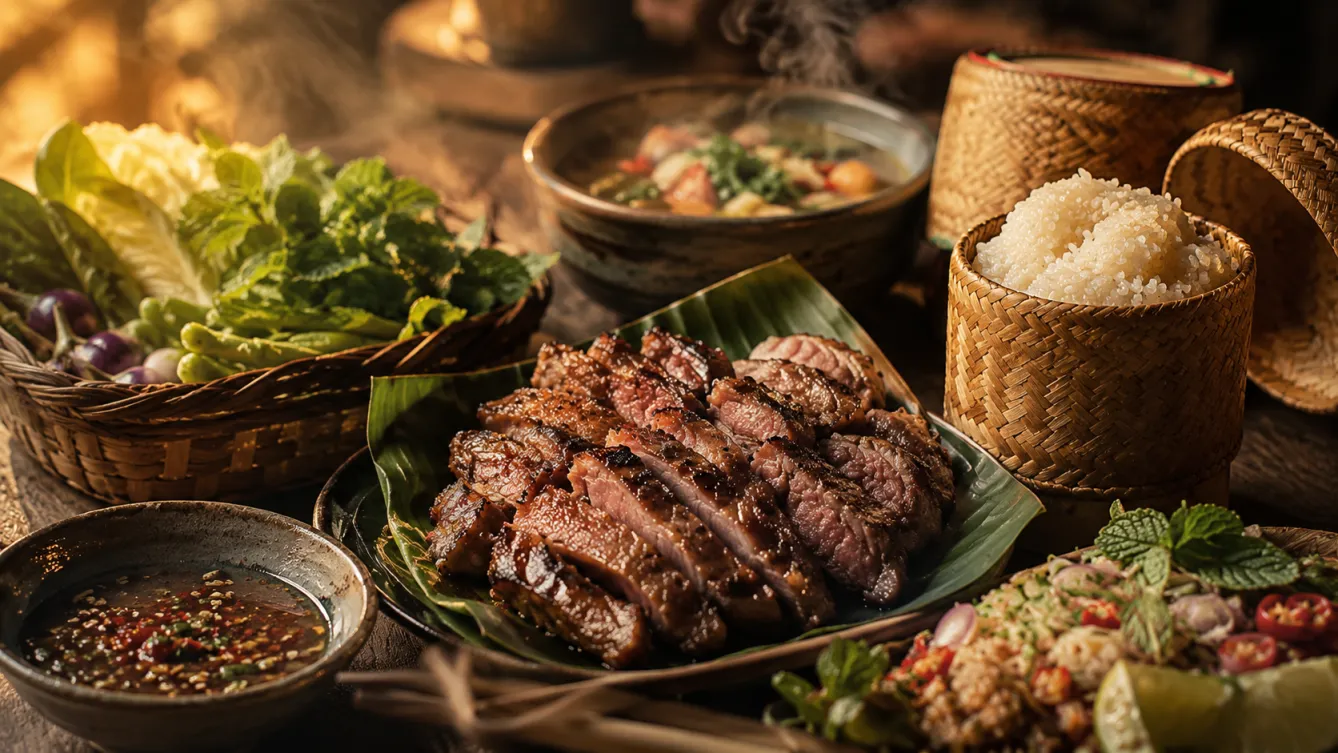
To understand Isan, I believe you must first understand its food.
Not only are the flavors unforgettable, but they are also. I mean the stories behind the flavors. The land behind the ingredients. The hands that prepare each dish. The way food gathers people together and explains a culture without needing many words. Every time I sit down to eat in Isan, I am reminded that food here is never just food. It is family. It is farming. It is memory. It is seasonality. It is a community. It is a way of life.
Isan food is bold, smoky, spicy, sour, salty, herbaceous, fermented, fresh, and deeply alive. There is charcoal smoke in the air. Sticky rice on the table, fresh herbs beside grilled meat. Heat balanced by brightness. Simplicity shaped by generations of wisdom. But what makes Isan cuisine truly special is not only how it tastes.
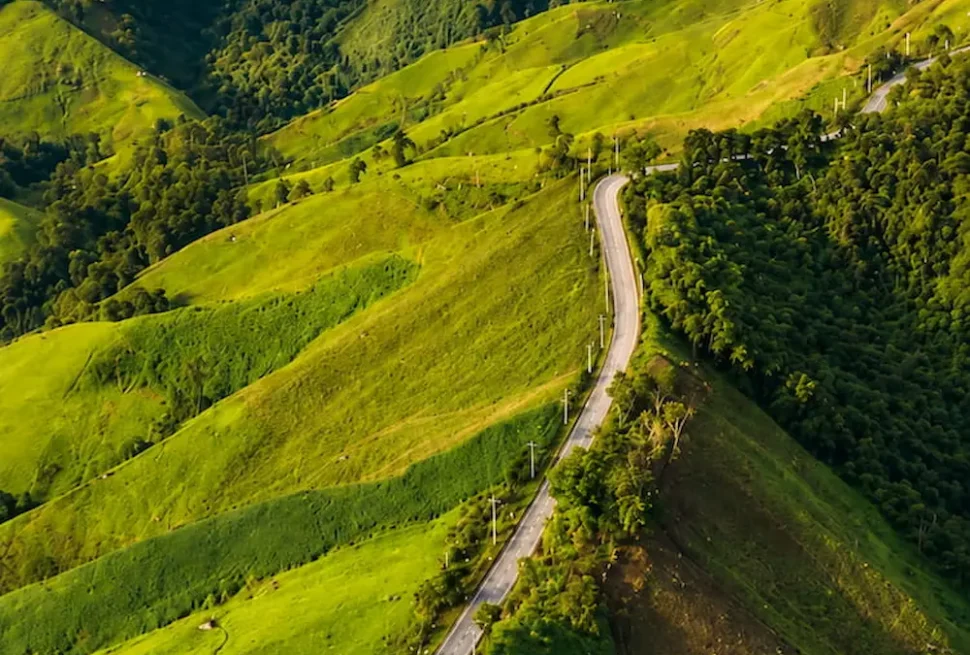
It is how deeply connected it remains to everyday life. This is why I never want guests to experience Isan food as just a meal. I want them to experience it as a journey. Food That Comes from the Land Isan cuisine comes from the land. Agriculture, rice fields, seasonal change, and resourcefulness have long shaped Northeast Thailand. Food developed from what people could grow, gather, preserve, ferment, grill, and share. This is one reason Isan food has such a strong identity. It was not created for display. It was created for life. Every ingredient has a purpose. Fresh herbs bring fragrance and balance. Chilies bring heat. Lime brings brightness. Fermentation adds depth. Charcoal grilling creates aroma.
Sticky rice brings everything together. When I take guests through Isan, I want them to see this connection clearly. A dish is not separate from the field, the market, the family, or the season. It belongs to all of them. That is what makes Northeast Thailand cuisine so meaningful. It is not only about eating well. It is about understanding how food and place belong to each other.
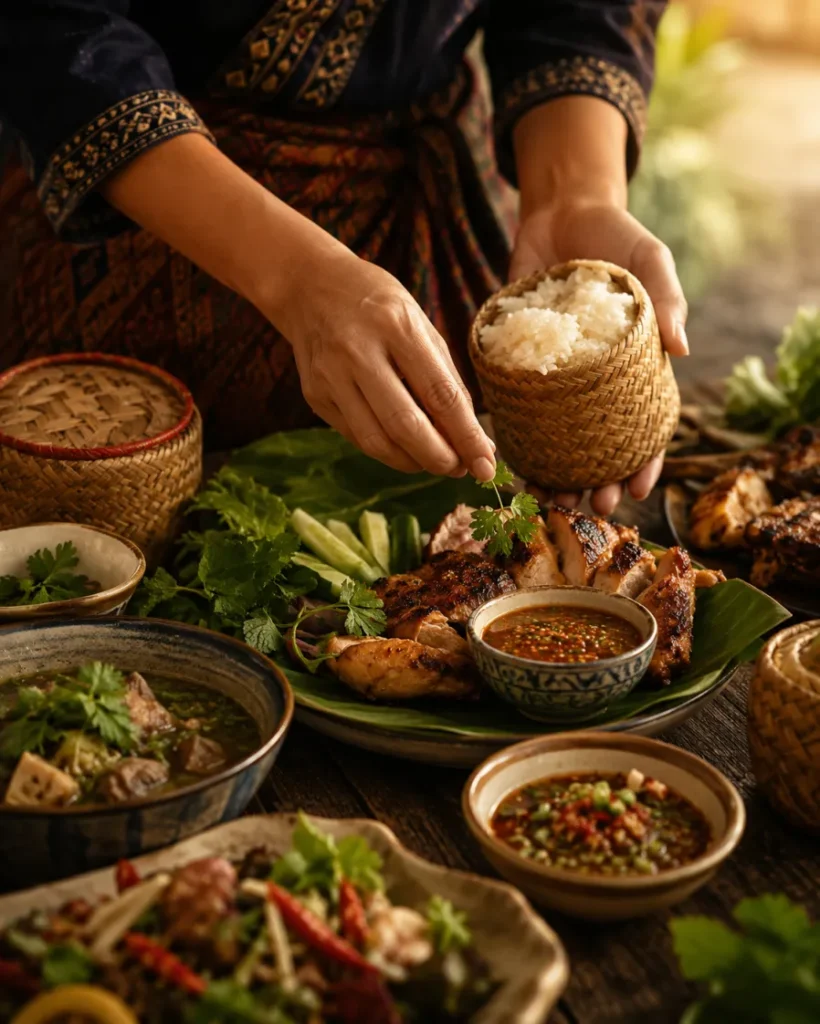
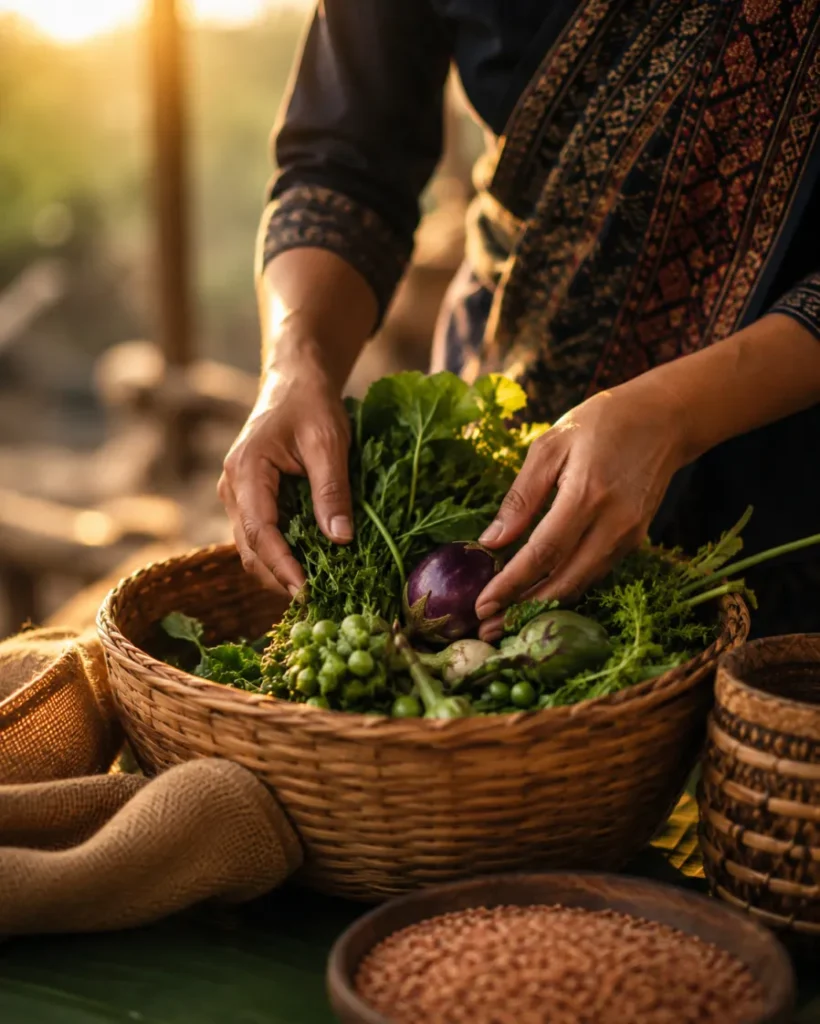
The Flavors That Stay with You If you have tasted Isan food before, you probably remember it. The flavors are confident. They do not sit quietly in the background. Isan cuisine is known for its balance of spicy, sour, salty, smoky, and fresh flavors. But what makes it beautiful is how these elements work together. Herbs soften the heat. The saltiness is lifted by lime. Raw vegetables balance the richness of grilled meat. Fresh, crisp ingredients brighten the depth of fermentation.
Sticky rice is central to the Isan table. It is eaten by hand, shared, shaped, and used to gather sauces and flavors. To me, sticky rice represents the generosity of Isan dining. It brings people together around the same meal. Then there is Pla ra, the fermented fish that gives many Isan dishes their unmistakable depth. For some travelers, it may be unfamiliar at first. But once you understand its role, you begin to appreciate the complexity it brings. It is not just an ingredient. It is part of local identity. And of course, there is charcoal grilling. The smell alone can stop you in your tracks. Chicken, pork, beef, fish cooked slowly over fire, served with dipping sauces, herbs, vegetables, and sticky rice. It is simple. But it is unforgettable.
Beyond Som Tam
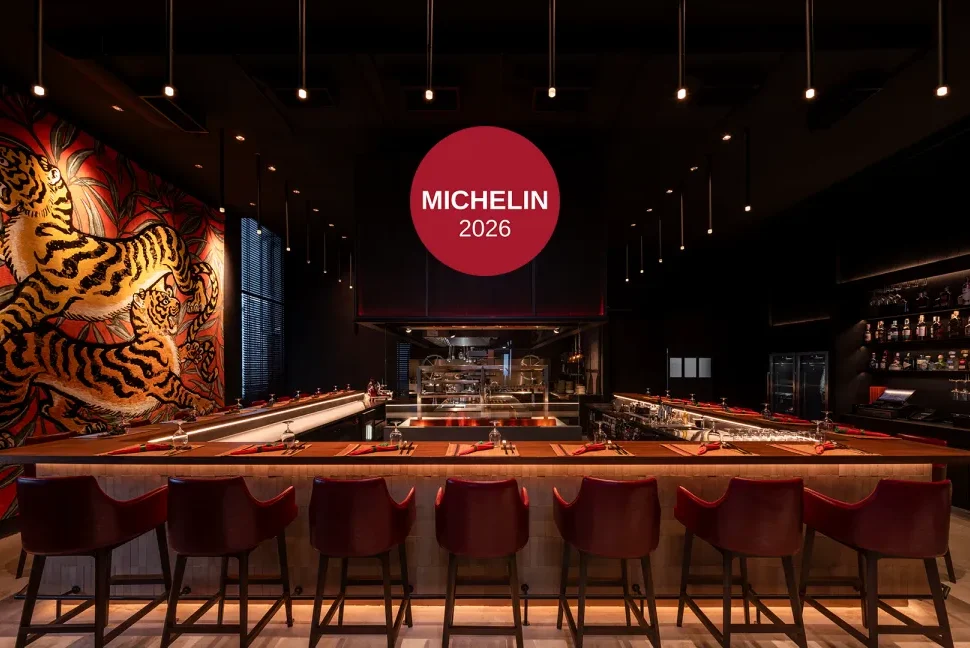
For many visitors, Isan food begins with Som tam, the famous green papaya salad. And yes, Som tam is important. It is bright, spicy, fresh, and full of personality. But Isan cuisine is much more than one famous dish. There is Larb, layered with herbs, lime, chili, and roasted rice powder. There is Nam tok, smoky grilled meat dressed with spice and freshness. There is gai yang, charcoal-grilled chicken served with sticky rice and dipping sauce. There are soups, relishes, grilled fish, seasonal vegetables, fermented dishes, and family recipes that change from province to province and home to home. This is what I love about Isan food. The deeper you go, the more you discover. In Khon Kaen, food might take you from a morning market to a local restaurant, from a farm-to-table lunch to a Michelin Bib Gourmand experience, from a charcoal grill to a family-run kitchen full of memories. For travelers who love food, this is where Isan really comes alive. It is alive. It is regional. It is personal. And often, the best dishes are not found by searching for the most famous restaurant online. They are found through local knowledge, relationships, timing, and trust.
Food as Community
In Isan, food is meant to be shared.
Dishes are placed in the center of the table. Sticky rice is passed around. People reach, taste, talk, laugh, and add more to each other’s plates. The meal has movement. It has warmth. This is one of the things I love most about eating in Isan. A meal invites you to stay a little longer.
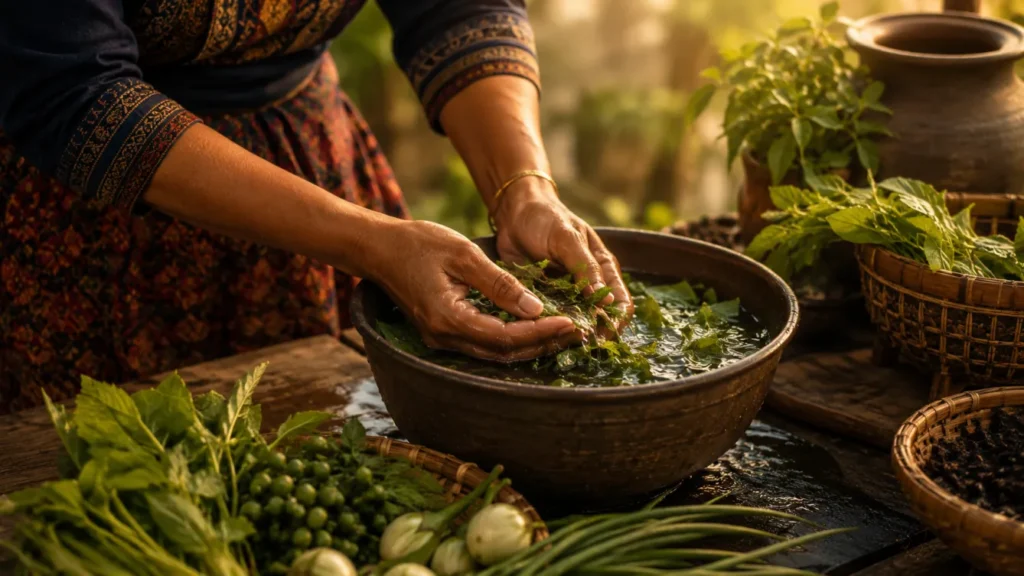
A morning market is not only a place to buy ingredients. It is where the day begins. It is where farmers, cooks, families, and vendors meet. It is where you begin to understand what is in season, what people are cooking, and how deeply food is woven into local life.
A farm is not only a beautiful place to visit. It is where the story begins. When you walk through a farm, see the herbs growing, meet the people who care for the land, and then sit down to eat, the meal changes. You understand it differently. This is why I believe food travel should be personal and contextual. Without the story, you may enjoy the flavor. But with the story, you remember the experience.
Why Food Lovers Are Discovering Isan
Travelers today are becoming more curious about food. They no longer want only famous restaurants. They want to understand where ingredients come from. They want to meet local cooks and producers. They want markets, farms, family-run places, and restaurants with a real sense of place.
This is why Isan is such a powerful destination for Thai gastronomy. It offers food that feels honest and deeply rooted. It has bold flavors, a strong identity, an agricultural connection, and a dining culture that remains close to everyday life. Khon Kaen is especially meaningful because it offers a beautiful starting point for an Isan food journey. The city has local markets, excellent Isan restaurants, farm experiences, regional specialties, and access to surrounding communities where food traditions are still alive.
For food lovers, Khon Kaen food is not just a reason to eat. It is a reason to travel. Why an Isan Food Tour Is the Best. Curated Isan food is delicious, but it is not always easy for visitors to understand deeply on their own.
Menus may not explain the cultural meaning behind a dish. Some of the most memorable meals happen in local places that are difficult to find without guidance. Markets are more meaningful when someone can explain the ingredients. A farm-to-table experience becomes richer when you understand the philosophy behind the land. This is where thoughtful curation matters. When I design an Isan gastronomy journey, I think about more than where guests will eat. I think about how the story unfolds. Where should the first meal begin? Which market gives the best introduction to local ingredients? Which restaurant expresses the boldness of Isan food? Which farm experience reveals the relationship between soil, season, and plate? These details change everything. A curated food journey allows travelers to taste, understand, and connect. It brings together comfort and authenticity, so guests can enjoy the richness of Isan cuisine without feeling lost or overwhelmed.
Experience Isan Food with RoamingXplorer
RoamingXplorer’s gastronomy journeys through Isan are designed for travelers who want more than a good meal. They are created for those who want to understand the people, traditions, and stories behind every dish. Through Khon Kaen food tours, farm-to-table experiences, local markets, Michelin Bib Gourmand partners, and carefully selected restaurants, we help guests discover Isan cuisine in a way that feels personal, thoughtful, and deeply connected to place.
For me, this is the beauty of food travel. It opens a door. It begins a conversation. It turns a destination into a memory. If you are drawn to Thai gastronomy, authentic food experiences, and meaningful travel through Northeast Thailand, our Isan journeys were created for you.
Come hungry, of course. But more importantly, come curious. Because in Isan, every meal has something to teach you.